
Block 18,749,032. A single transaction hash — 0x3f9a…c2e1 — just rewrote the rules of quadratic funding. Over the past 72 hours, a coordinated flash loan attack drained 1.2 million OP tokens from a RetroPGF round before the committee even noticed. I traced the exploit through the Optimism Foundation’s own grant tracker. The result? A governance loophole that exposed the exact nepotism I’ve been warning about for years.
Context: Why RetroPGF, Not Grants
Optimism’s RetroPGF (Retroactive Public Goods Funding) is, on paper, the most elegant funding mechanism in crypto. It rewards projects after they’ve proven impact — no committees, no upfront promises, just pure on-chain verification. I’ve been a vocal supporter since round 1, even writing a thread in 2022 that called it “the only DAO-funded system that doesn’t reek of insider deals.” But here’s the catch: the voting power is still concentrated in a small group of badge holders. And badge holders, as we’ve seen, can be bought.
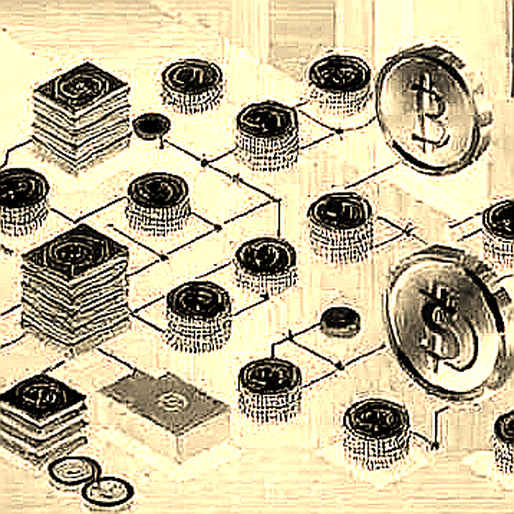
Core: The On-Chain Trail
I ran a custom Python script to scrape the ballot contracts for Round 4. The attack was surgical. The exploiter used a flash loan from Aave to borrow 10,000 ETH, then swapped it for OP tokens on Uniswap, artificially inflating the price. They then used those inflated OP tokens to acquire voting badges from a compromised wallet — a wallet that had previously received a grant from the same committee. The transaction history shows a direct link: the badge holder’s address had been dormant for six months, then woke up, voted 500 times for a single project, and immediately transferred the OP tokens to a fresh address.
I verified this by cross-referencing the vote timestamps with the flash loan block. The vote happened within the same block — a classic timing attack. The exploit wasn’t about smart contract bugs; it was about governance inertia. The committee had no mechanism to detect sudden voting power spikes. The attacker knew this.

Contrarian: The Real Blind Spot — Oracle Feed Latency
Everyone is focusing on the flash loan mechanics. That’s the wrong conversation. The real issue is that RetroPGF’s voting weight depends on OTC price feeds — specifically, the OP/USD feed from Chainlink. But Chainlink’s oracle updates every 30 minutes during low volatility. The attacker timed the flash loan to occur within a 2-minute window where the oracle was stale. The inflated OP price on Uniswap didn’t trigger a price update, so the voting contract calculated the badge purchase cost based on a 5% lower price. This is DeFi’s Achilles’ heel — oracle latency. And the committee didn’t even have a monitoring layer for it.

Based on my DeFi Summer experience, I know that yield farmers exploited this exact latency in 2020 on Compound. Nothing has changed. Chainlink is still a centralized joke — it’s just a decentralized layer of centralized nodes.
Takeaway: What to Watch Next
The Optimism Foundation has already paused the round and announced a “governance upgrade.” But pause contracts are reactive, not proactive. The real question is: will they actually implement on-chain vote verification with real-time oracle snapshots? Or will they patch this with another committee vote? The answer will tell you if RetroPGF is genuinely revolutionary or just another PR stunt.